Phone:
(701)814-6992
Physical address:
6296 Donnelly Plaza
Ratkeville, Bahamas.

Phone:
(701)814-6992
Physical address:
6296 Donnelly Plaza
Ratkeville, Bahamas.
Explore&Experience the unfiltered
Explore&Experience the unfiltered
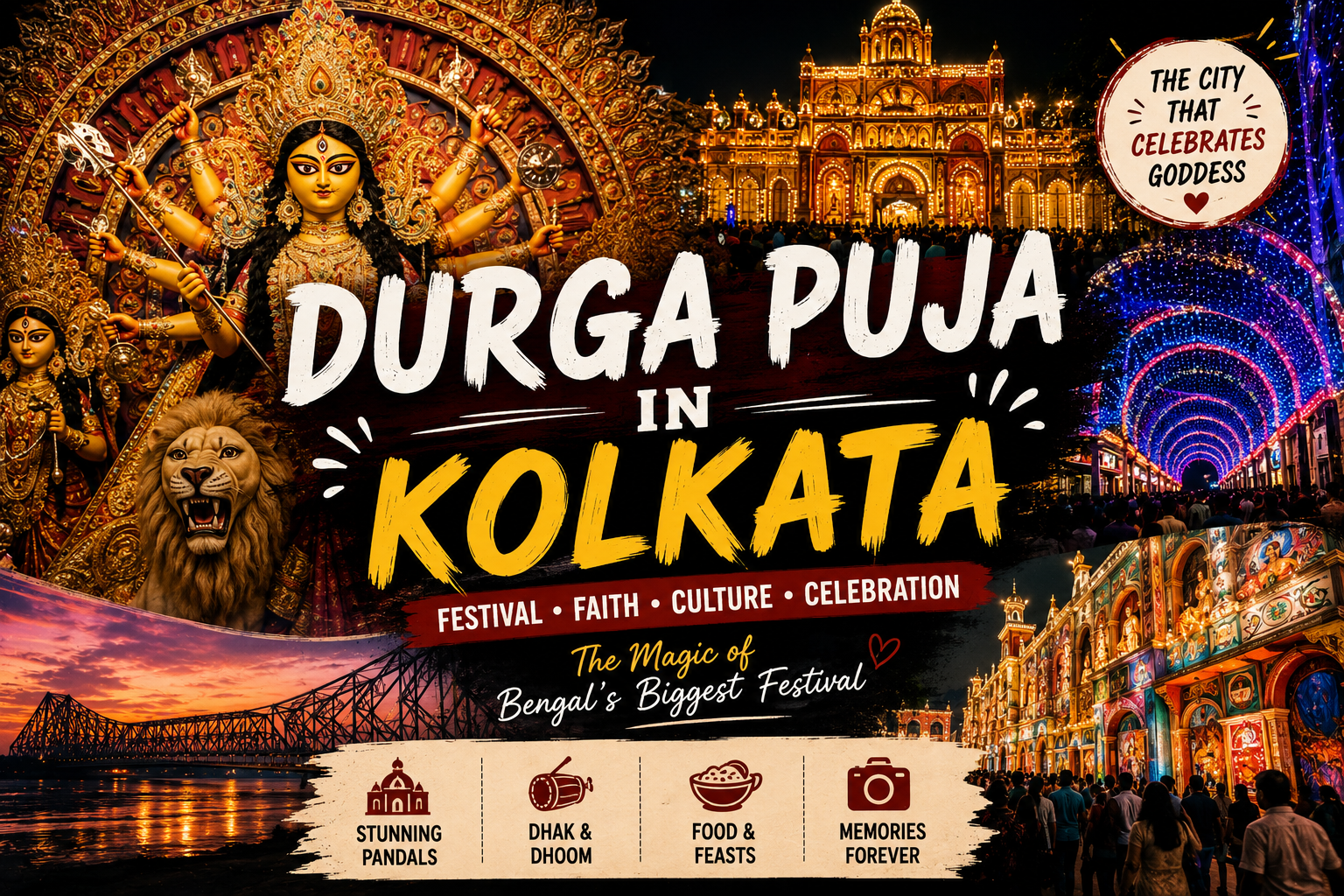
For five days every October, Kolkata stops being a city and becomes something else entirely. Offices empty. Streets fill. The entire urban landscape transforms into the world’s largest open-air art festival — and if you’ve never experienced it, nothing quite prepares you for it.
Here’s everything you need to know.
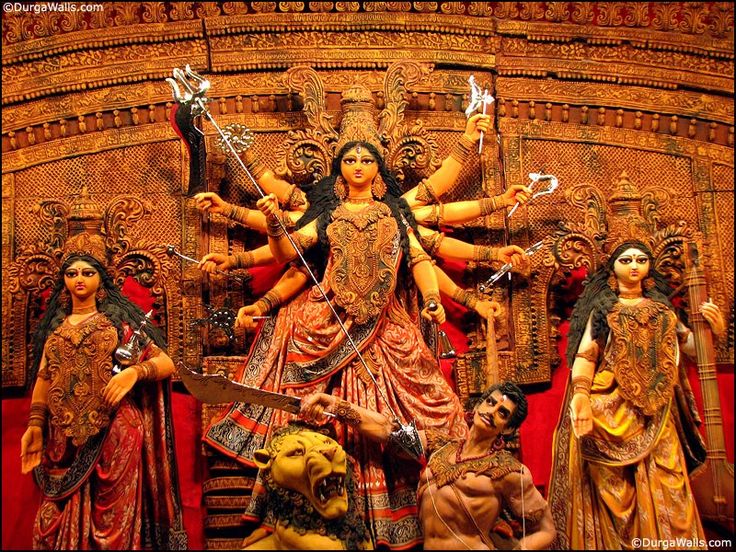
These are the oldest, most traditional pujas in the city.
Bagbazar Sarbojanin — Over 100 years old. Known for simplicity, devotion, and a classically crafted idol adorned with gold jewellery. Located along the Hooghly river, it’s one of the most atmospheric pandals in the city.
Kumartuli Park — Set in the very neighbourhood where idols are made. Incredibly creative themes every year. Visit Kumartuli during the day and you’ll see artisans finishing up neighbouring pandals too.
Ahiritola Sarbojanin — A North Kolkata favourite known for elaborate idol craftsmanship and strong community spirit.
Hatibagan Nabinpally — Part of a great cluster in North Kolkata. Walk from here and hit multiple pandals in one stretch.
Shobhabazar Rajbari — One of the oldest aristocratic pujas in the city, held inside a historic mansion. Traditional rituals, classical setting, and a glimpse into old Calcutta.
College Square — One of Kolkata’s most iconic pandals. The illuminated structure reflects in the lake beside it — a visual you’ll remember for years. Set up since 1947, it draws massive evening crowds.
Mohammad Ali Park (MD Ali Park) — Famous for enormous, dramatic pandals with cinematic themes. One of the most photographed in the city.
Santosh Mitra Square — Known every year for stunning, large-scale replica structures. Consistently one of the most talked-about pandals in the city.
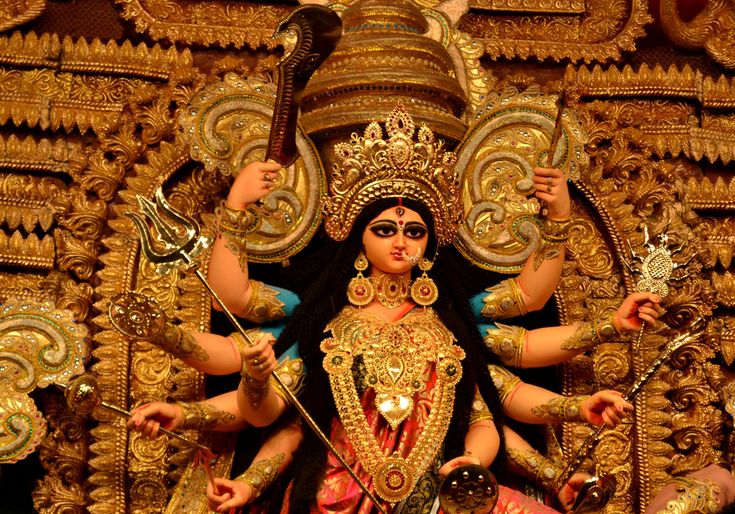
Ekdalia Evergreen — A South Kolkata legend since 1943. Famous for replicating temples and monuments from across India in extraordinary detail. Cultural performances add to the experience.
Deshapriya Park — Known for hosting one of the largest Durga idols in the city. The scale is staggering — walk in and look up.
Jodhpur Park — Celebrated for artistic brilliance, eco-friendly themes, and consistent national recognition for creative excellence.
Mudiali Club — A Sandhi Puja destination — the atmosphere here during the 108-lamp ritual is extraordinary.
Ballygunge Cultural Association — Refined, beautifully decorated, and extremely popular with South Kolkata residents.
Sreebhumi Sporting Club — One of the most extravagant pandals in the city. Grand, dramatic, always a spectacle. Celebrity appearances, dazzling lights, and enormous crowds.
Dumdum Park Cluster — A string of pandals in one area — great for covering multiple in one go without too much travel.
Salt Lake Block Pujas — Community-run, family-friendly, and a more relaxed experience. Great for mornings with children.
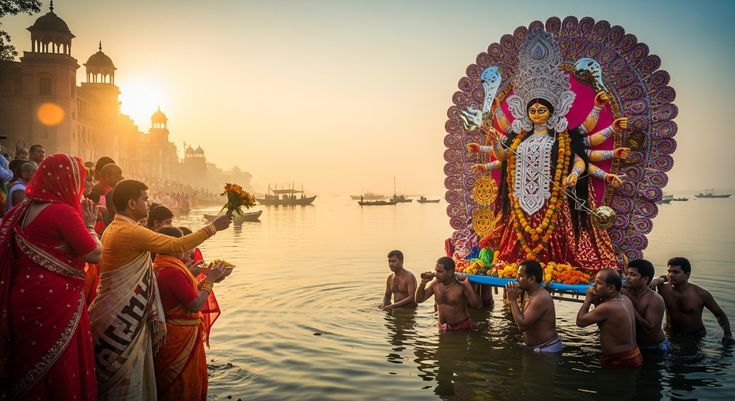
Bhog Prasad — Free community meals served at many pandals during Ashtami and Navami. Khichuri, labra (mixed vegetable), beguni (fried brinjal), chutney, and payesh (rice pudding). Join the queue — it’s worth it.
Street food on the pandal route:
Durga Puja isn’t something you watch in Kolkata. It’s something you get absorbed into. Show up, let go of the plan, and let the city carry you.